








2002
ETENZ Electrical Founded
ETENZ established a switchgear enclosure production line in Fengxian, Shanghai, building early engineering capability around electrical equipment structures.
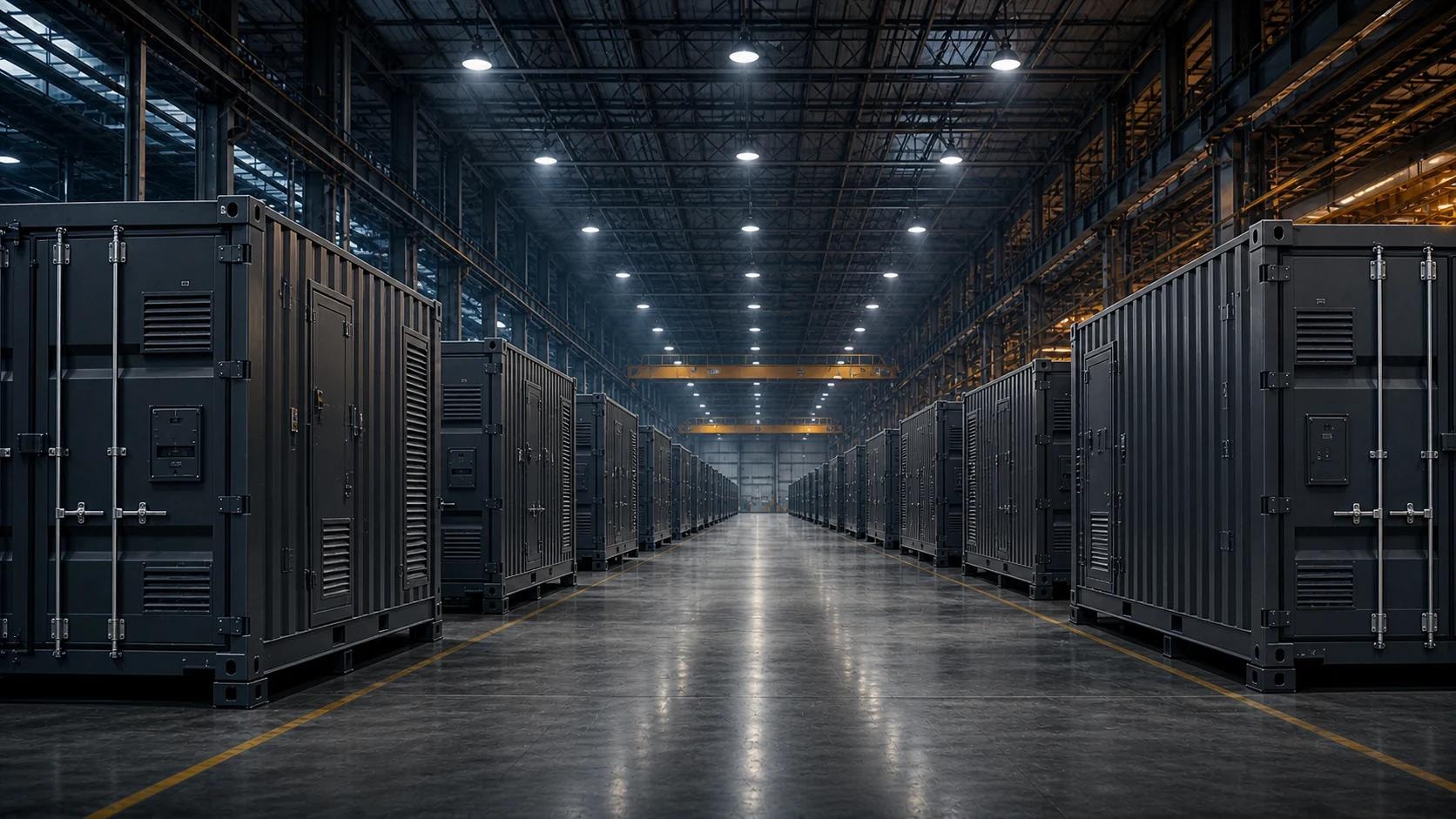
Building a trusted industrial foundation for a modular world
Scroll to explore
Every step forward in the digital age depends on quiet, precise industrial containers behind the scenes. Since 2002, ETENZ has worked along this industrial path, turning customer specifications for modular enclosures and E-Houses into robust, precise, and verifiable physical products through contract manufacturing and system integration.
Our work is built around integrated modular enclosure delivery, covering five subsystem areas: power distribution, environmental control, thermal management including precision air-cooling and liquid-cooling options, fire protection, and security and surveillance. The engineering workflow spans heavy steel fabrication, electrical integration, electromechanical assembly, and factory acceptance testing. ETENZ products support global applications including modular data centers, high-density compute enclosures, battery energy storage systems, E-Houses, power distribution facilities, and industrial process control centers.
ETENZ works with global customers through contract manufacturing models, including OEM, ODM, and customer-brand customization. Our scope is focused on factory-side manufacturing, integration, and factory acceptance. Production and testing are aligned, where applicable to each product line, with international frameworks such as UL, CE, IEC, and NFPA, so every enclosure delivered by ETENZ can become a trusted physical anchor for customer brands in global markets.
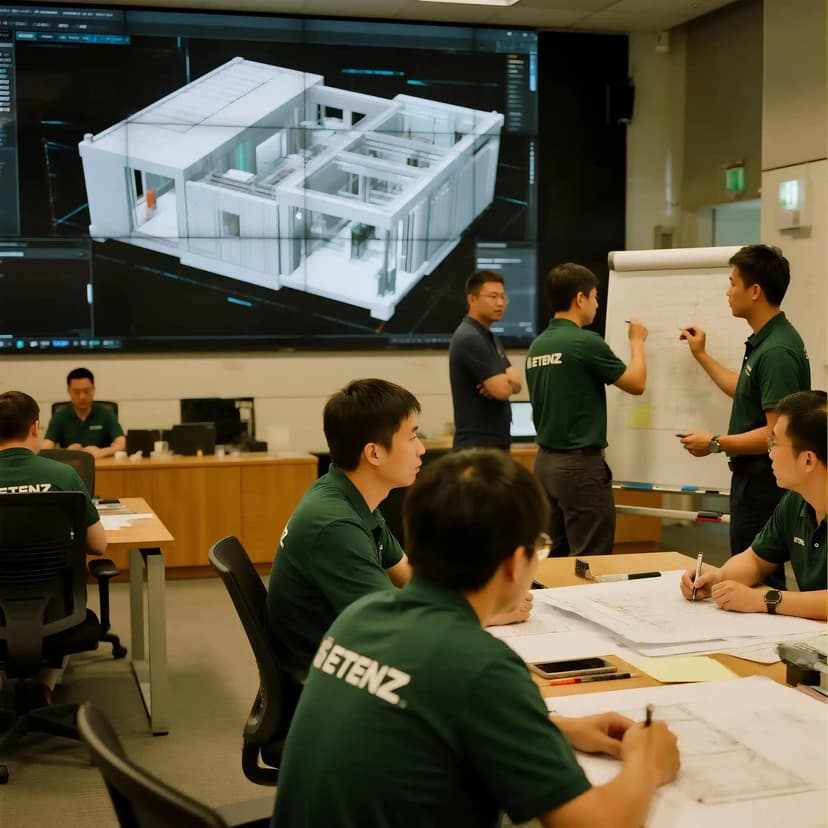
Multidisciplinary Seamless Collaboration
ETENZ works with customer engineering requirements across structural, electrical, thermal management, and control-system needs to support buildable modular infrastructure solutions.
Our manufacturing process combines structural fabrication, electromechanical assembly, system integration, commissioning support, and factory checks according to project requirements.
Factory-built modular platforms can help reduce on-site installation complexity and support more predictable delivery coordination for domestic and international projects.
Documentation scope and applicability may vary by product configuration and project requirements.














Loading...